Do isochronic tones really work?
People skeptical about changing their sleep routine often ask me this question. I always tell them the short answer is yes, isochronic tones can work, but it's worth looking into how they actually interact with your brain. They are essentially pulses of sound that rapidly turn on and off thus creating a rhythmic pattern used for brainwave entrainment.
Your brain already has a natural tendency known as the frequency following response. When you listen to these pulsing tones, your brainwaves start to match that rhythm. This usually results in a shift of your brain activity from high-frequency beta waves, which you experience when you're awake, down into the slower, more relaxed alpha or theta waves. I'd argue the real benefit is how consistently your brain can catch that rhythm. Some people actually find isochronic tones more effective than binaural beats because the sound is more defined and not reliant on an auditory illusion.
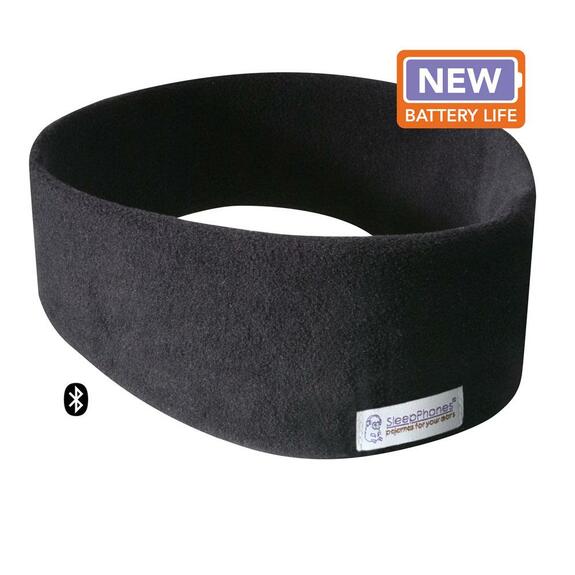
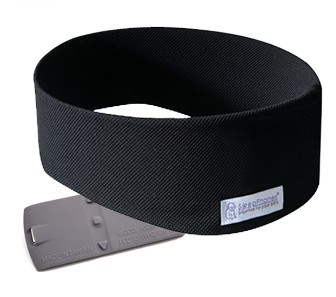
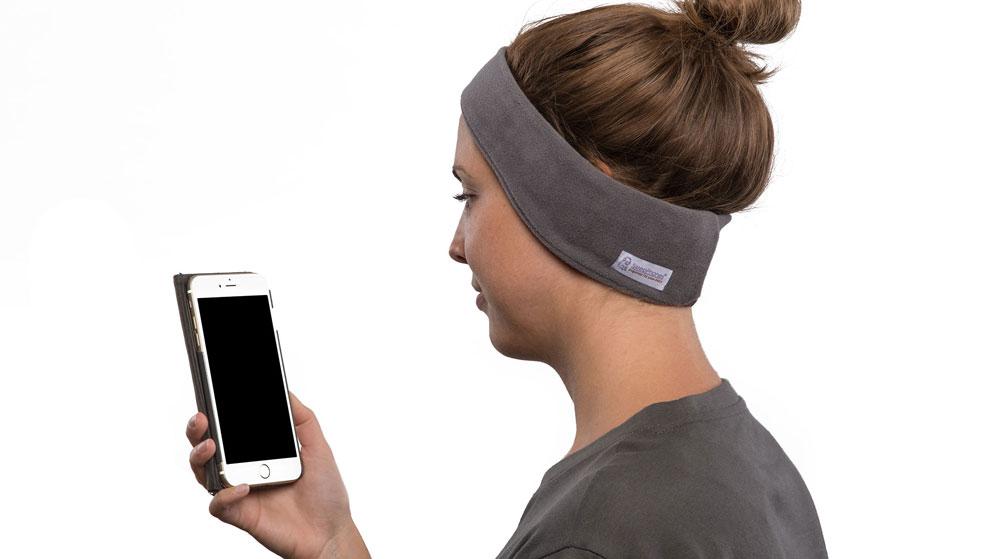
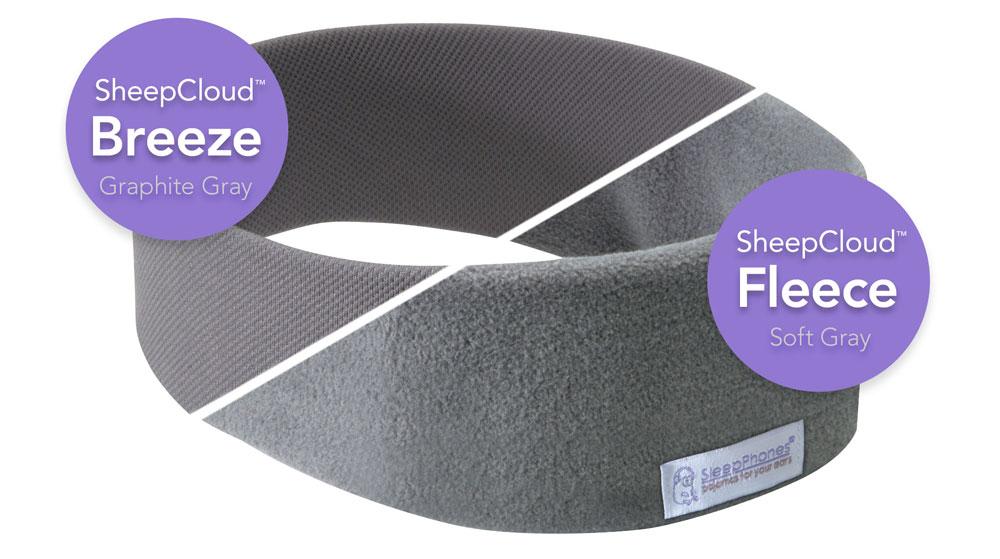
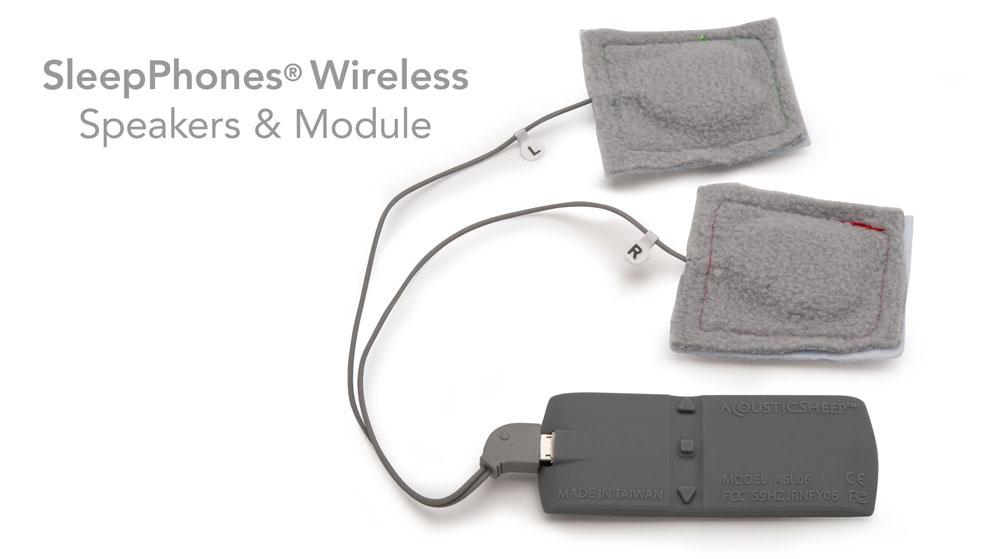
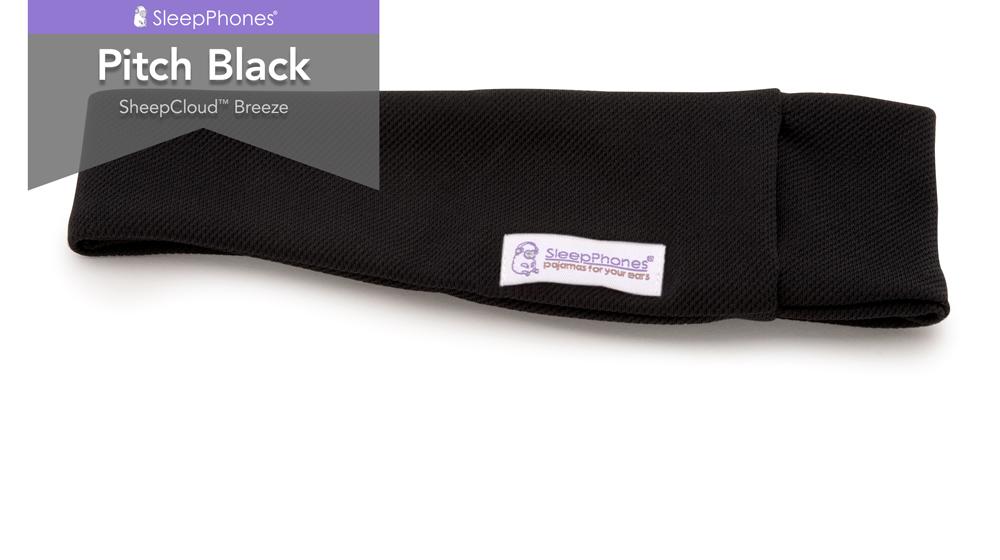
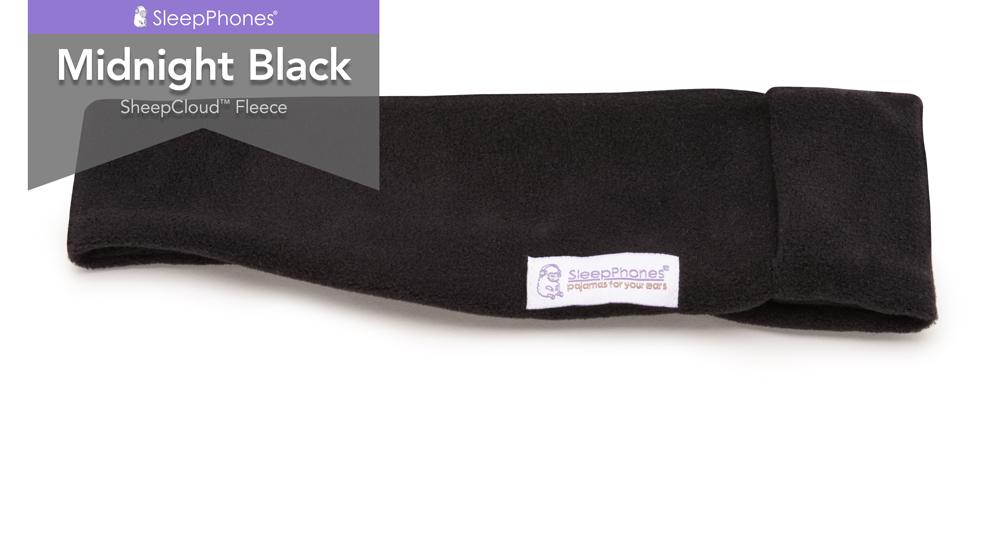
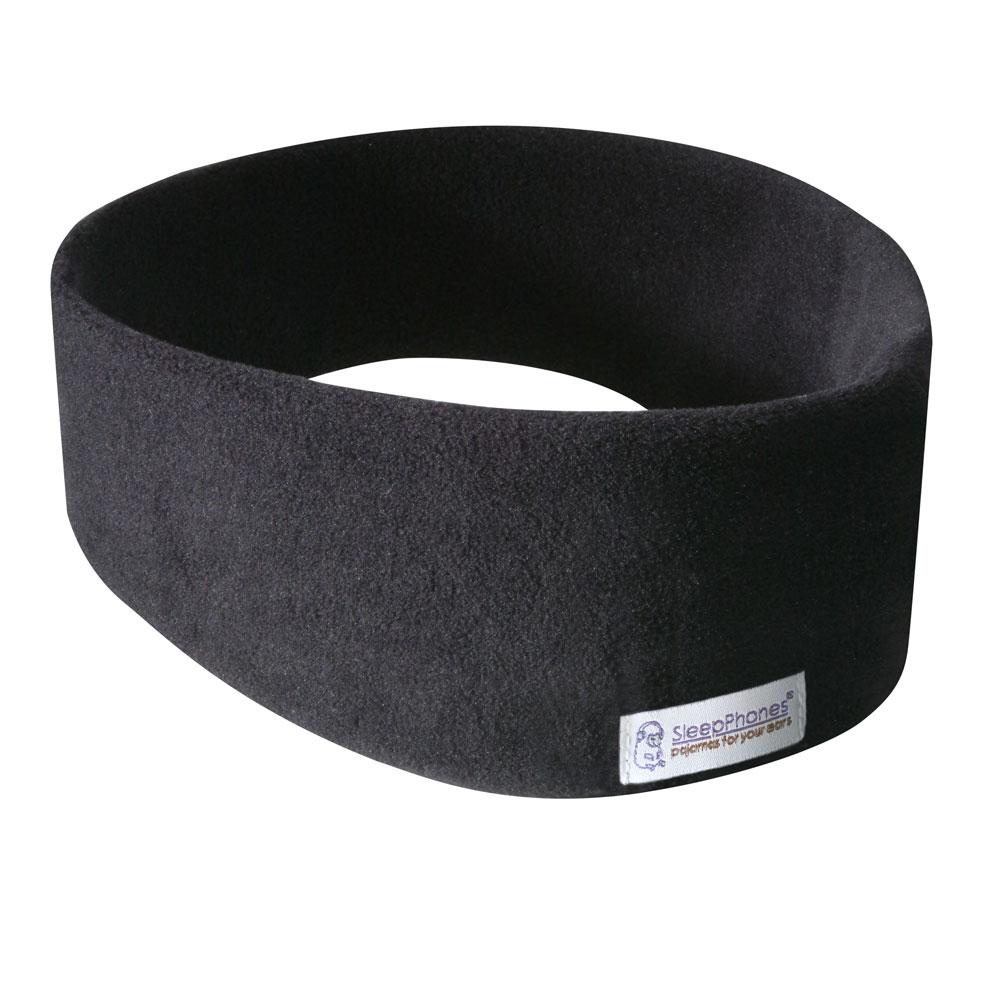
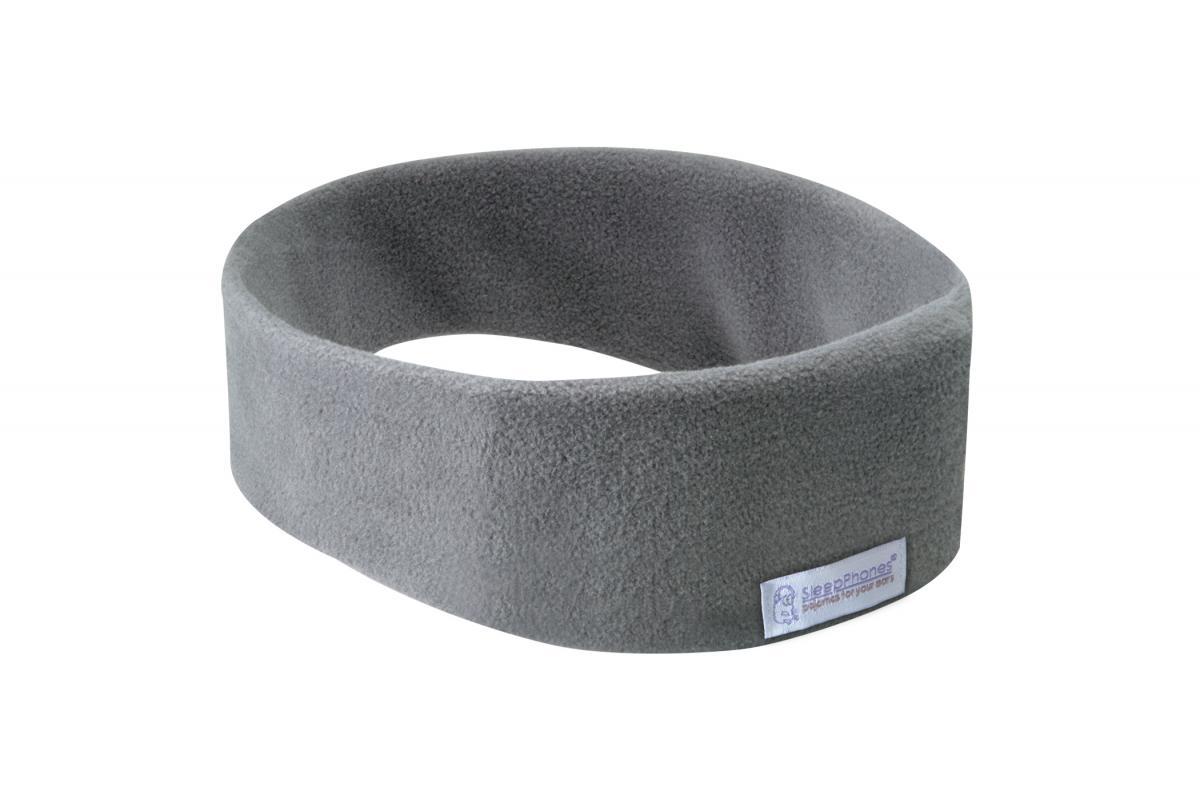
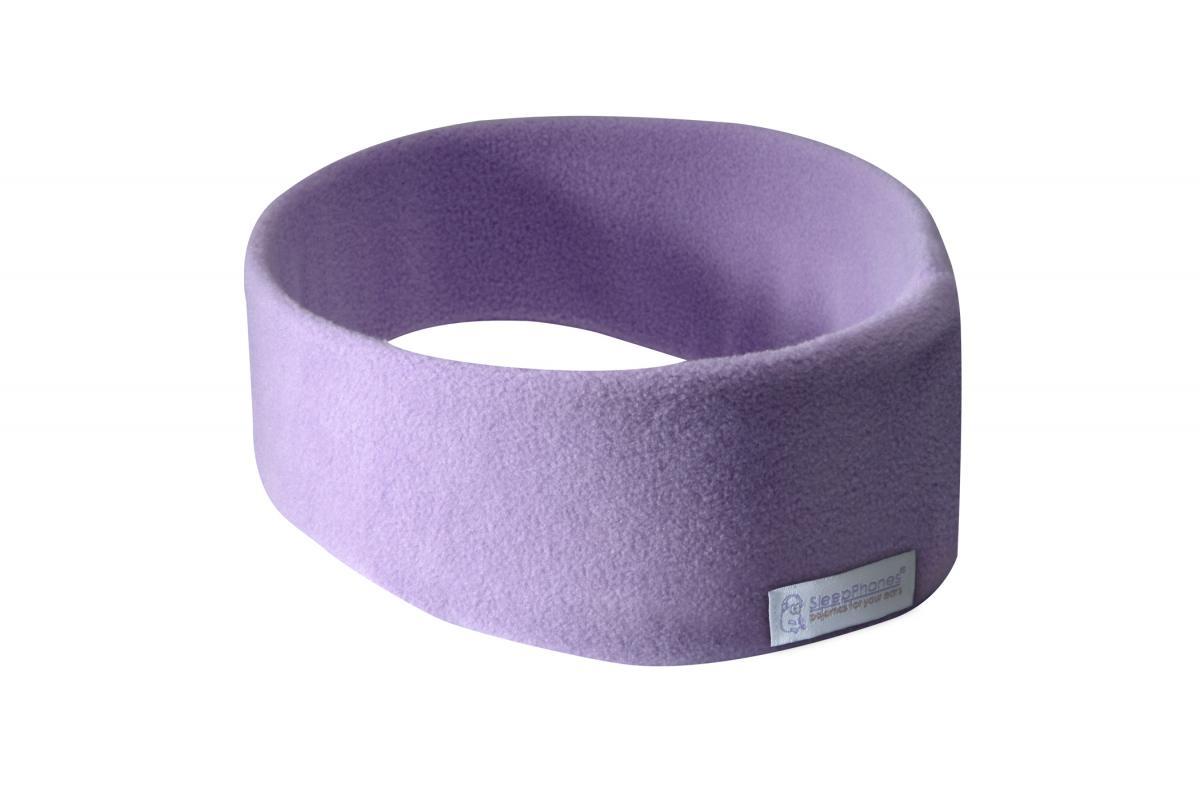
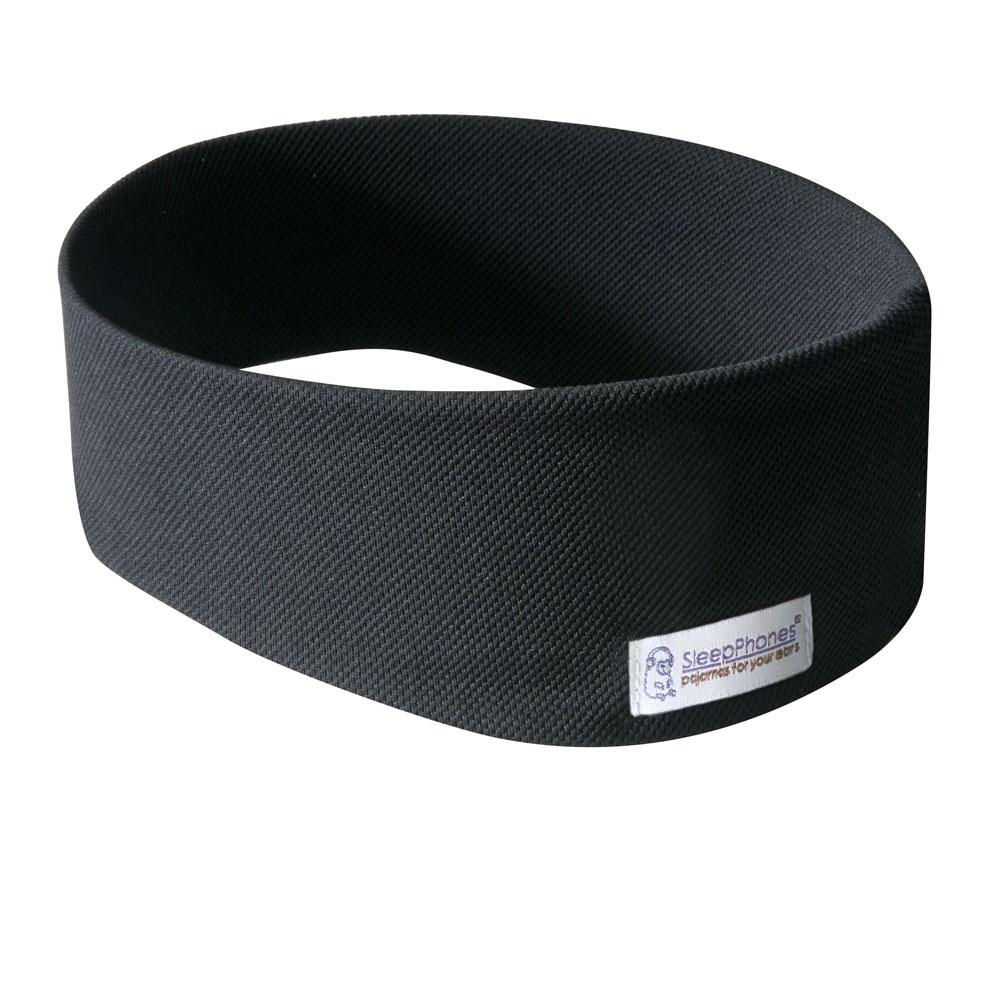
One thing to keep in mind, however, is that the science only works if you're actually comfortable while using it. From personal experience, there's nothing worse than trying to reach a theta state only to have a hard, plastic earbud digging into your ear the second you roll onto your side. When designing SleepPhones® headphones we intentionally focused on comfort. That's why we nestled ultra-thin, padded speakers inside a soft, breathable headband so nothing pokes you in the ear. Many customers report they forget they're wearing anything at all. With SleepPhones® headphones, you get that precise, rhythmic entrainment without the physical irritation of traditional headphones or earbuds. We believe it's about making the science practical and the gear comfortable for how people actually sleep.
Find more answers on our "Frequently Asked Questions" page.