Is it better to sleep in silence or with noise?
I spent a summer working the graveyard shift in a busy call center, so I've heard many late night rants about bad sleep. Here at SleepPhones® headquarters, I receive many customer calls asking the same question: "Is it better to sleep in total silence or should I keep some noise playing?" Truthfully, it's a bit of a trick question.
If you're in a sensory deprivation tank, silence is great. But, as you know, we don't live in a vacuum. We live in houses with creaky floors, noisy neighbors with loud dogs, or a constant flow of traffic right outside our windows. If you try to force silence in a noisy environment, your brain actually stays on high alert. It will look out for every tiny thud or sudden noise it determines to be a "threat." You won't actually sleep, but just hover in a state of low level anxiety.
I always tell customers that the best noise is whatever masks unexpected sounds from waking them up. White noise or soft, consistent soundscapes work best because they create a consistent sound layer. They mask those sudden, jarring volume spikes that jolt you out of a deep sleep.
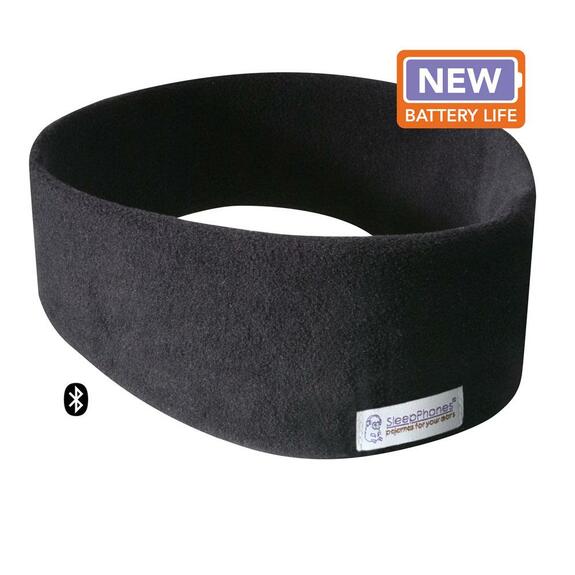
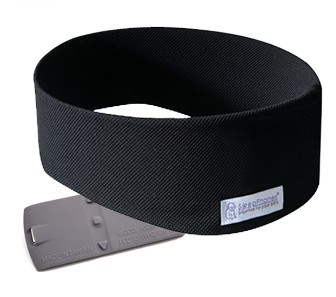
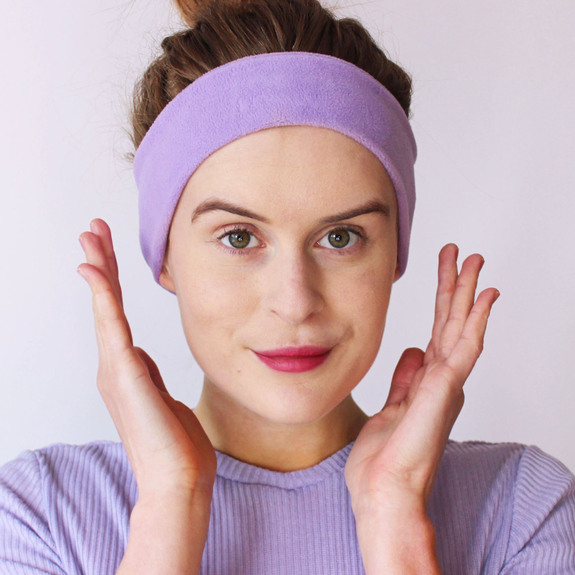
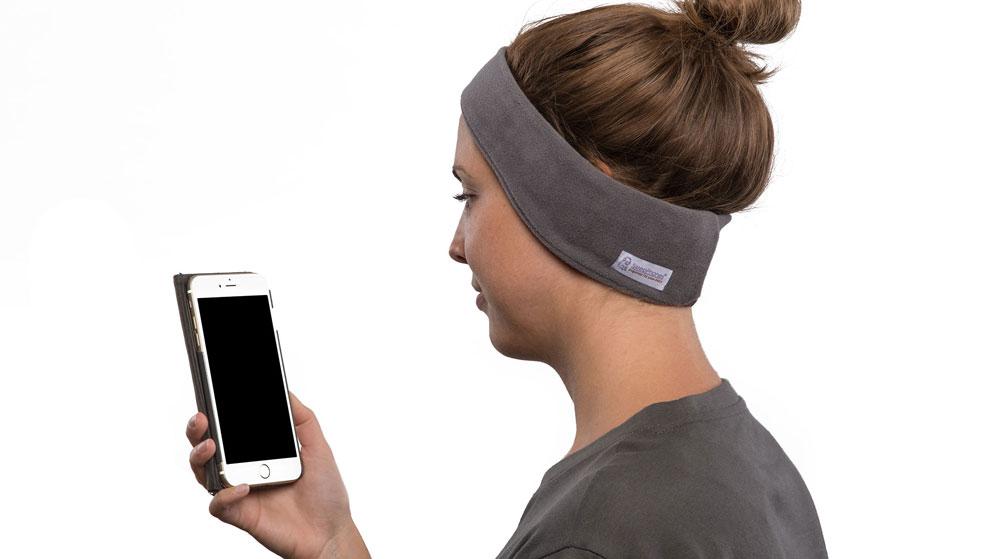
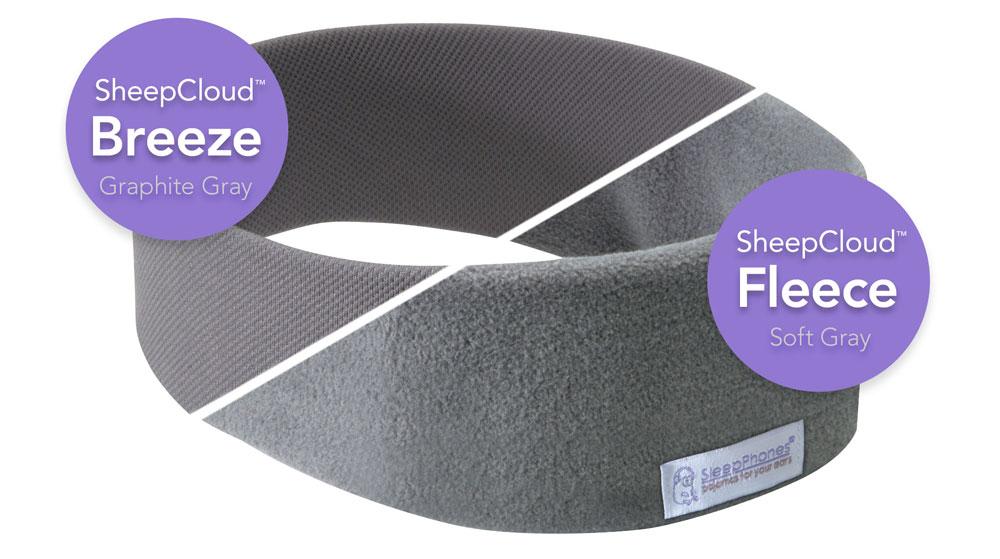
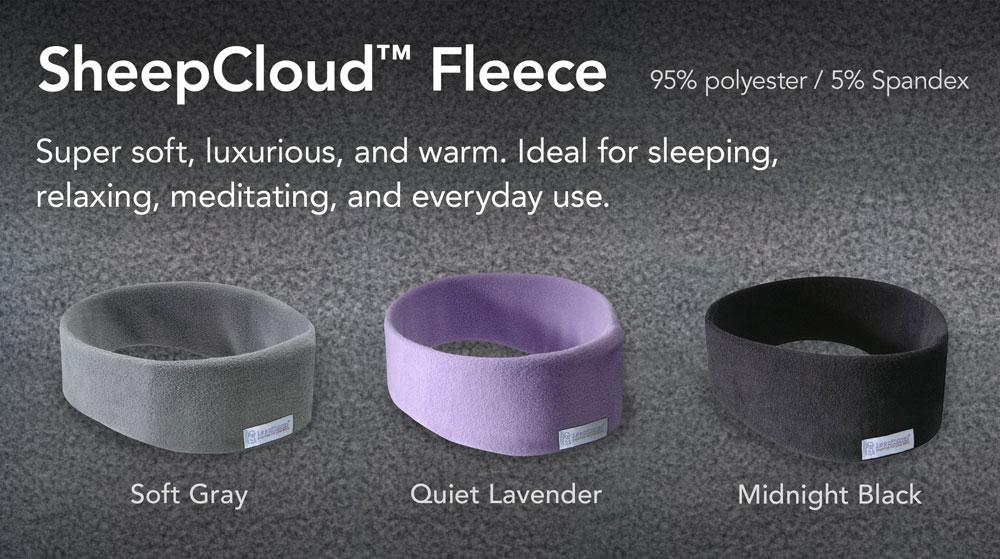
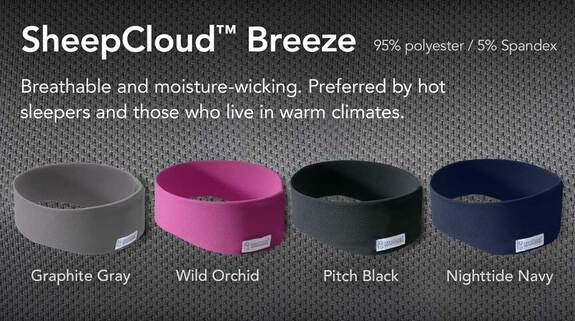
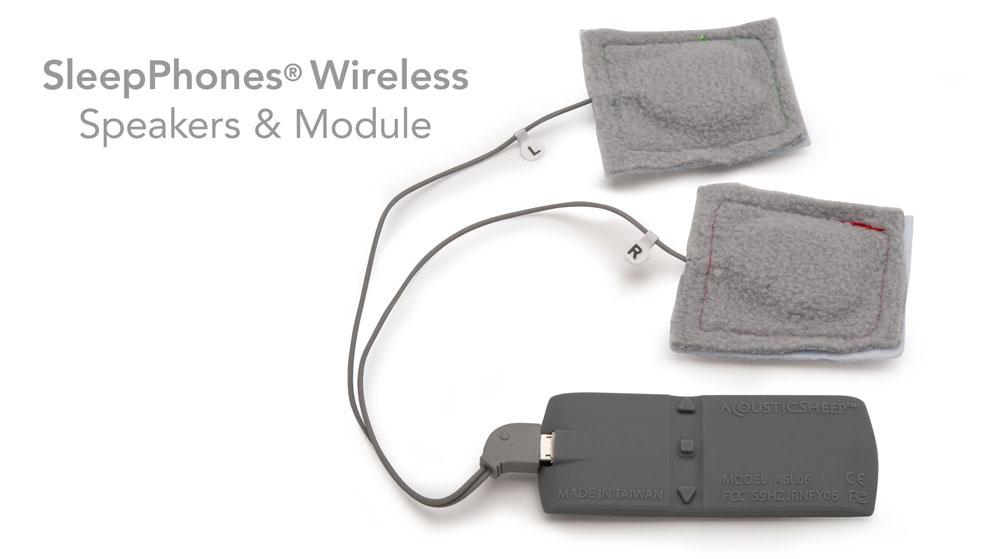
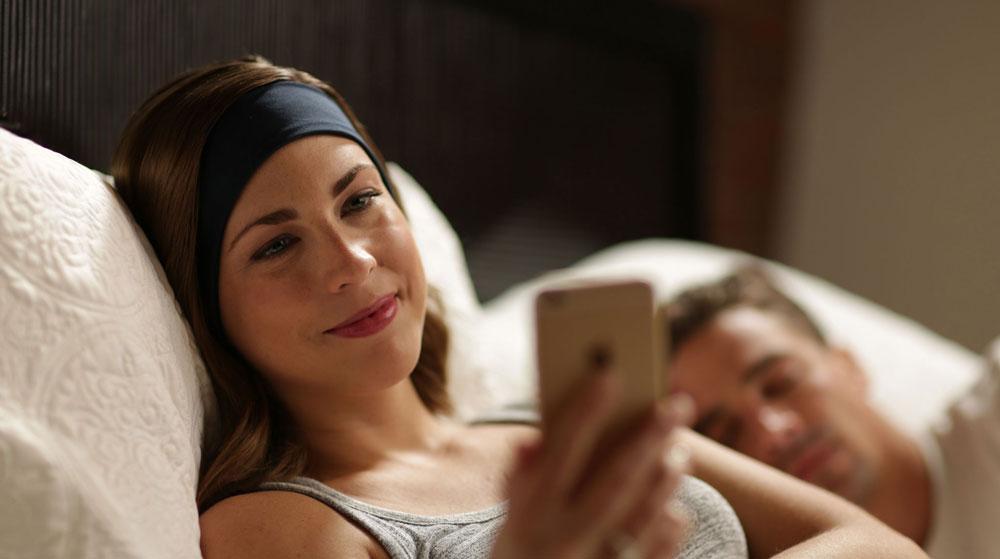
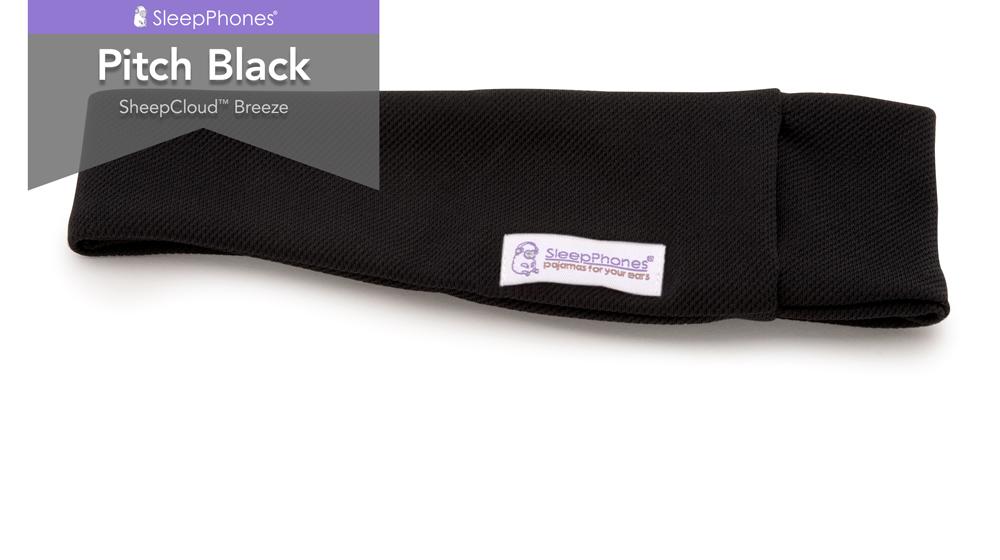
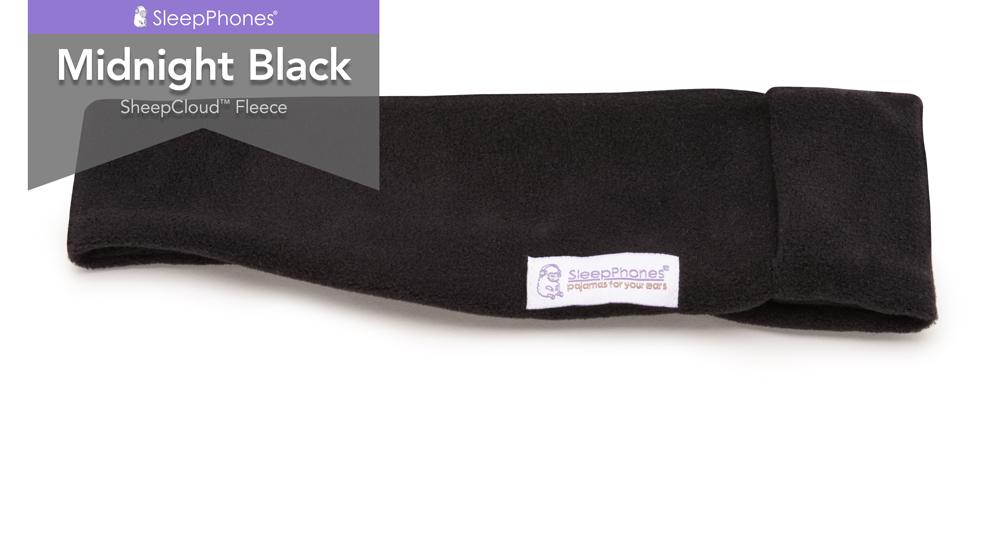
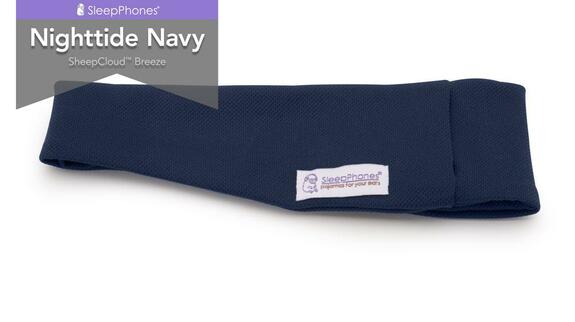
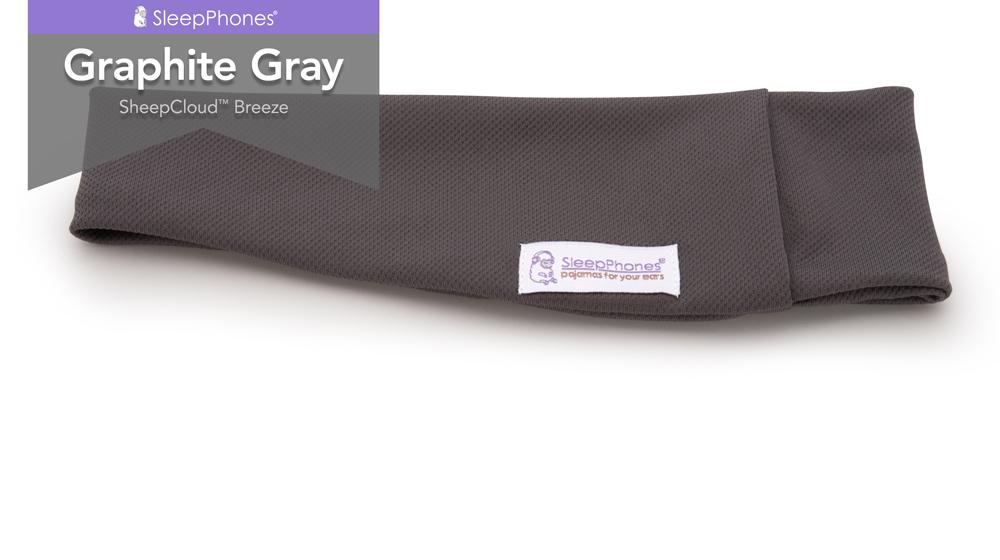
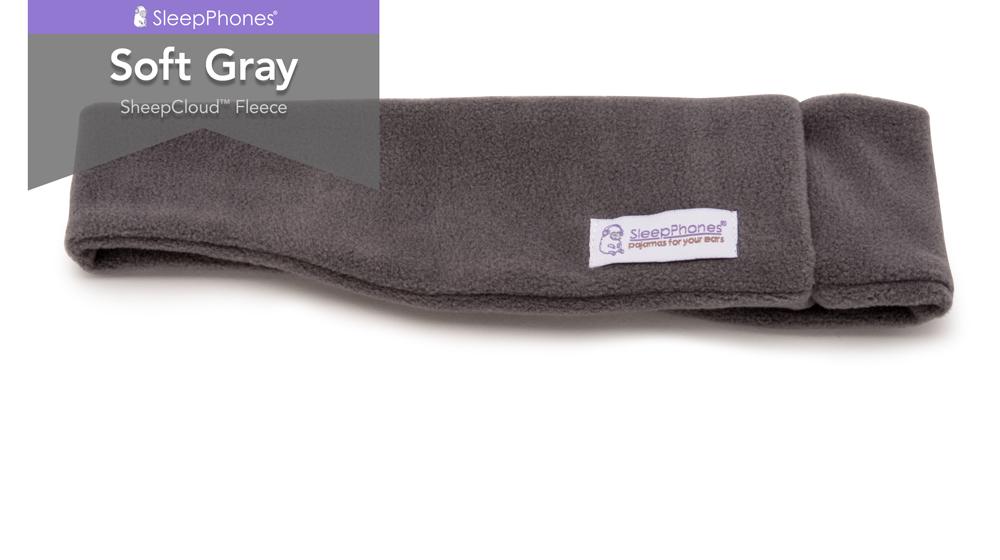
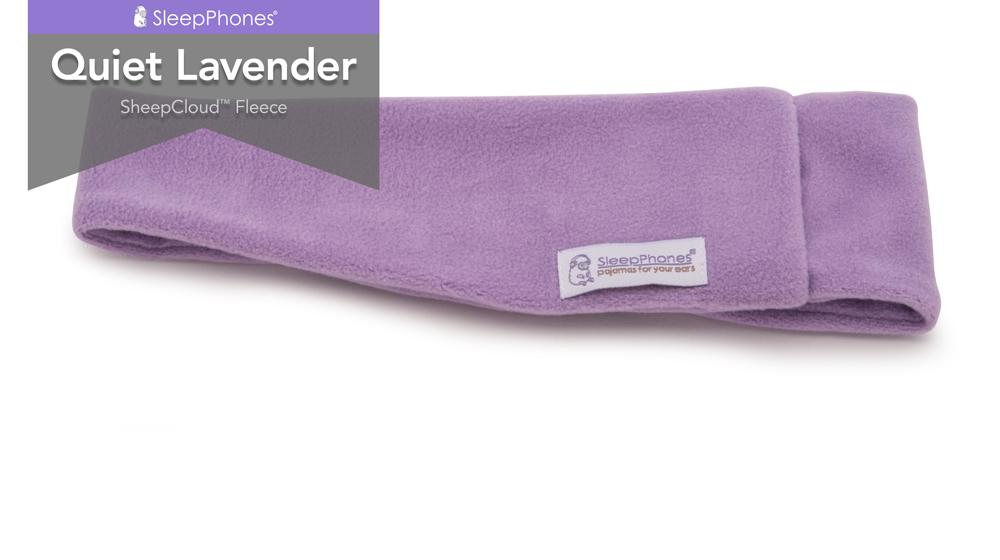
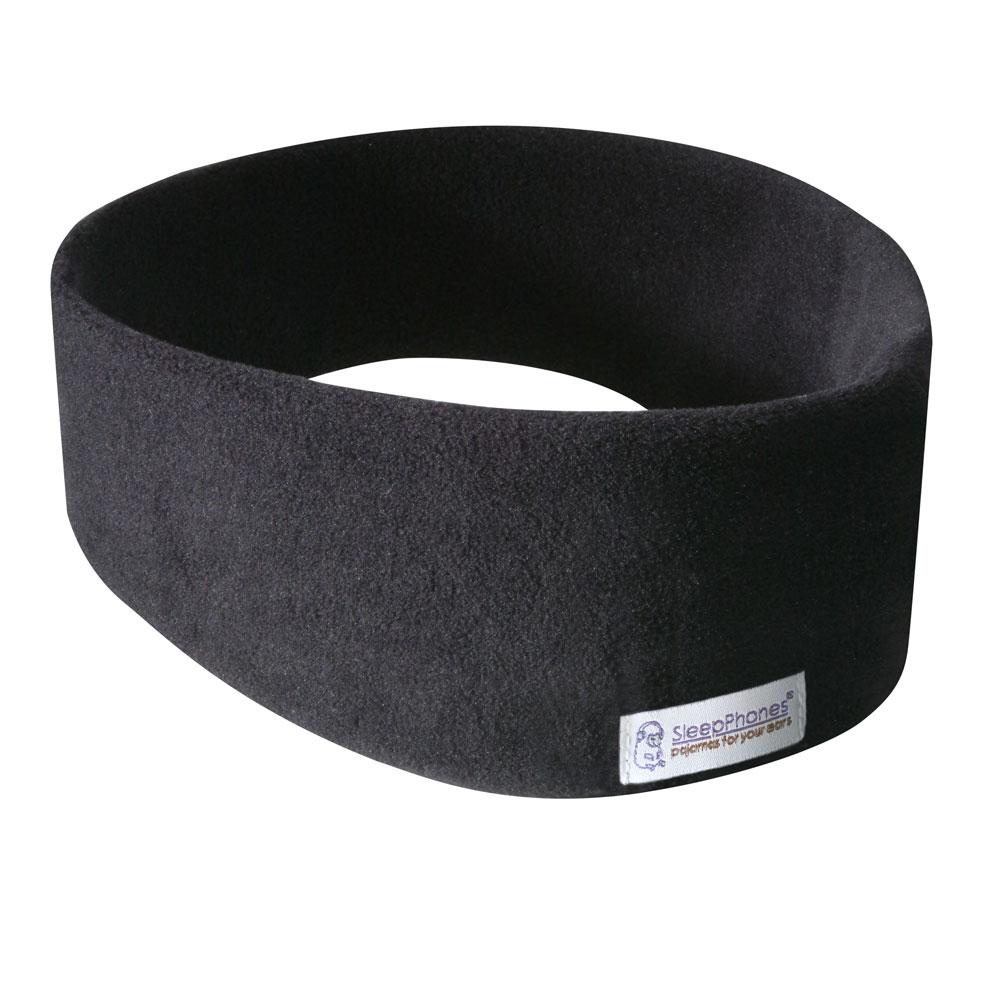
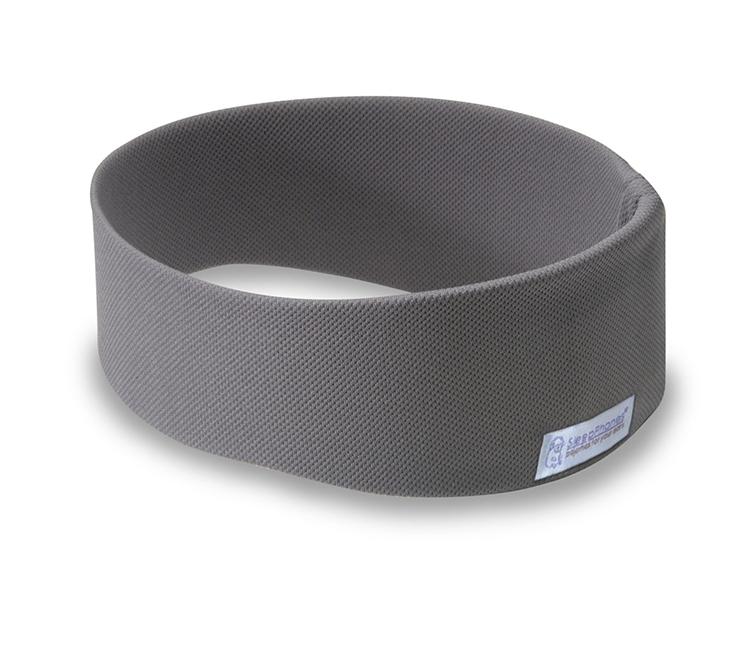
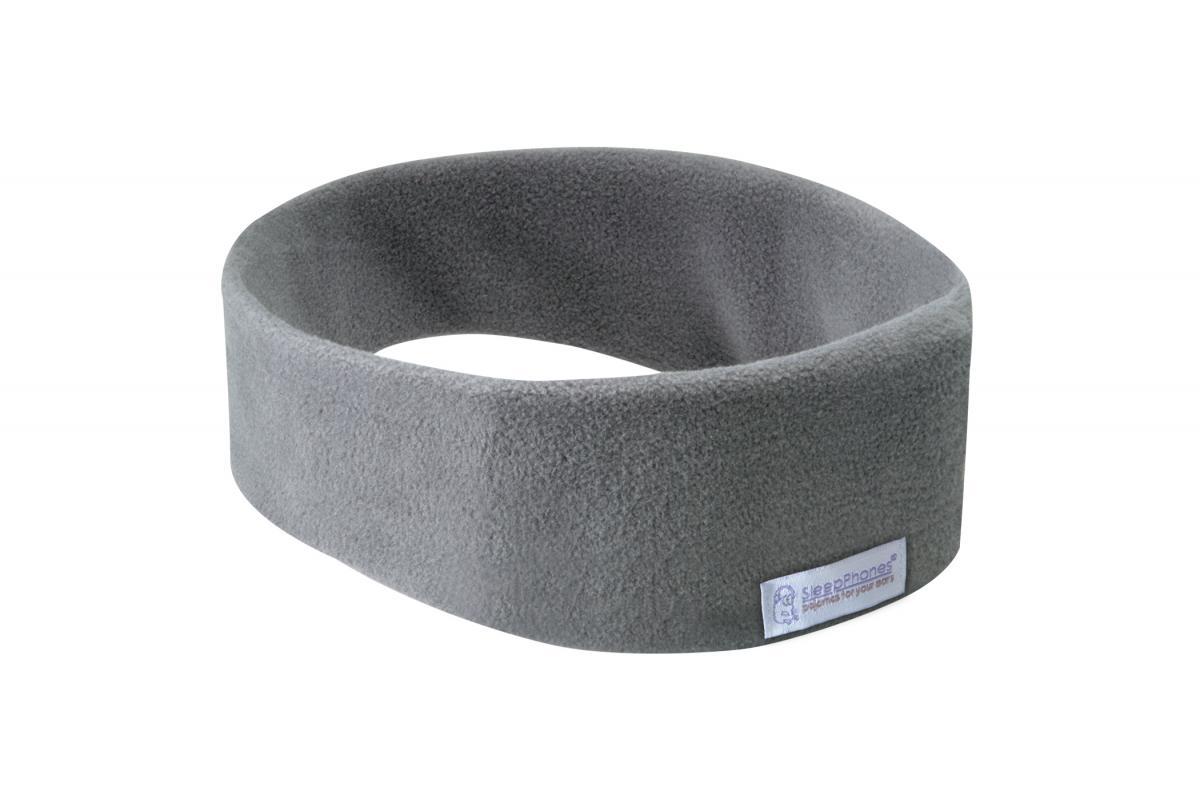
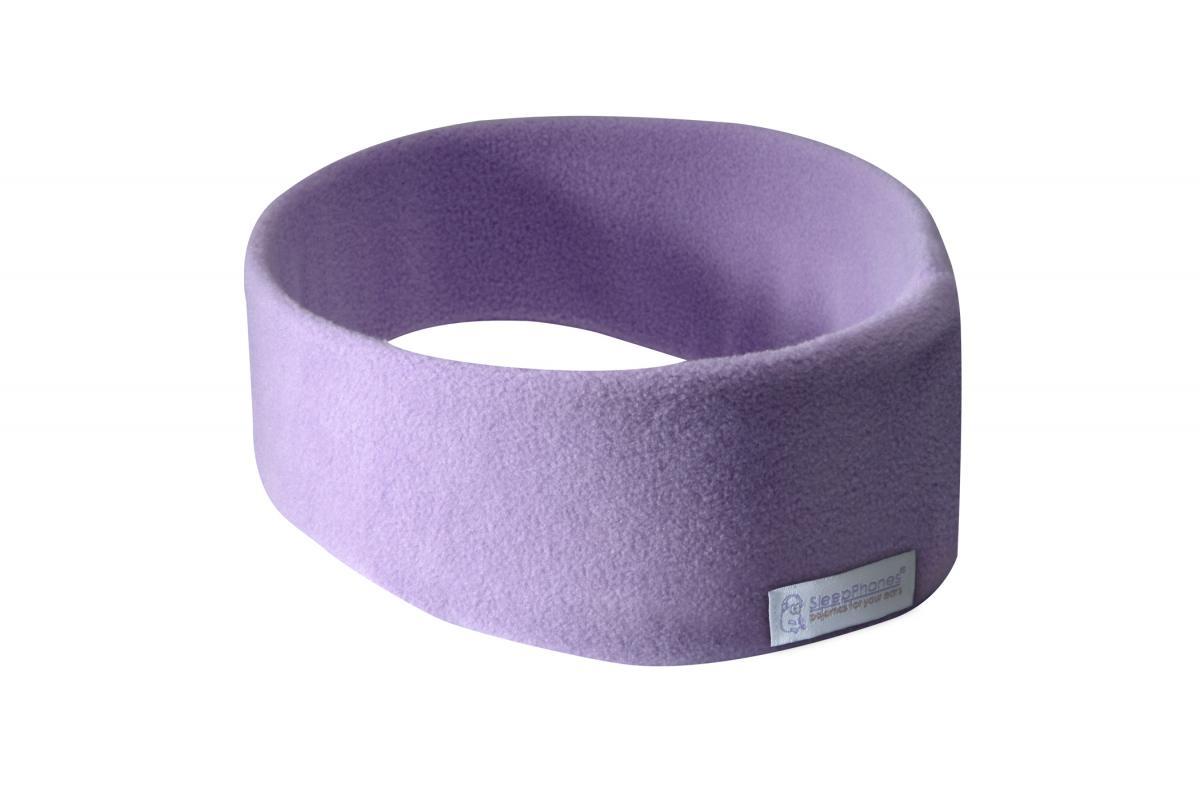
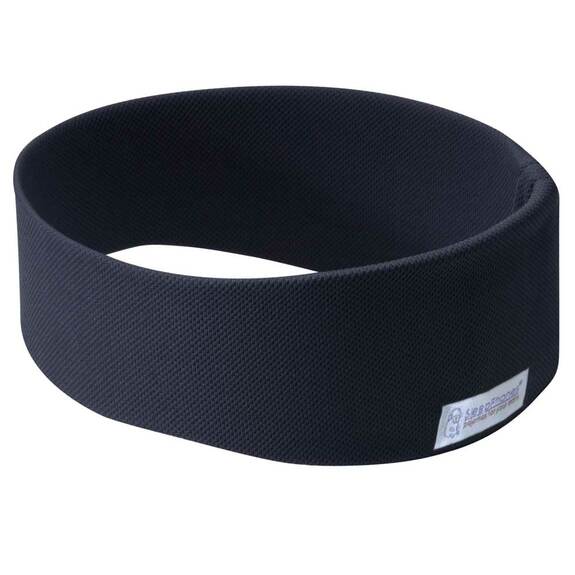
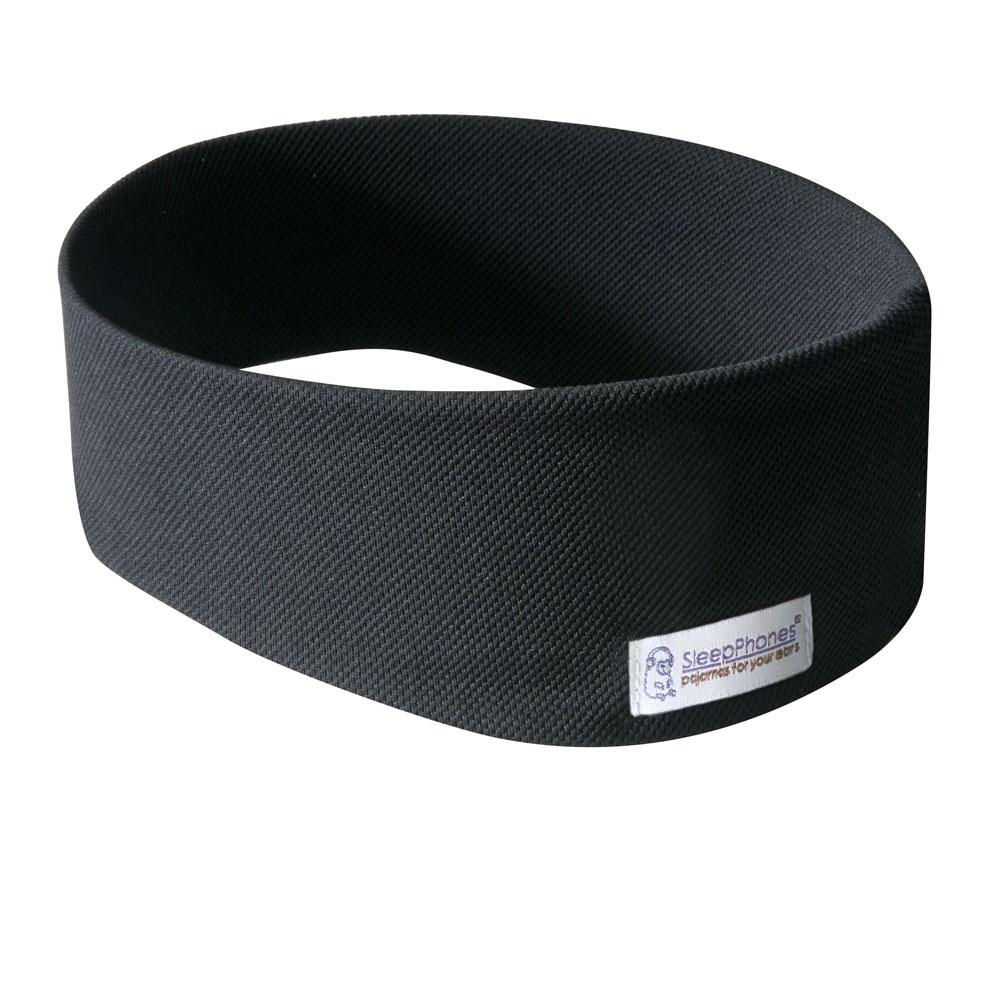
The real issue, however, is how you actually listen to those sounds. If you're using bulky earbuds, you probably wake up with sore ears and a headache. If you place a speaker across the room, you not only turn your bedroom into a dancehall but also risk disturbing your partner's sleep. The sweet spot is delivering a steady, low level frequency sound directly into your ear without any physical discomfort. That's why we intentionally designed SleepPhones® headphones. With their thin, padded speakers nestled inside a soft, breathable headband, they feel like a gentle hug from a cloud while delivering soft, sleep-inducing audio.
It's about creating your own private little bubble so your brain feels like it can stop listening for danger and actually shut down. With SleepPhones® headphones, you can do this comfortably and safely.
Find more answers on our "Frequently Asked Questions" page.
Many use our ASMR headphones for sleep!