Do Sleep Headphones Really Work?
(Insight from Someone Who Fields the Calls)
I get why you're skeptical about sleep headphones, I was too. Wearing something around your head that covers your ears while you're trying to fall, and stay, asleep sounds like a lot, right? I answer calls all day and that's usually the first concern people mention.
And truthfully, unbiasedly, yes, they really do make a difference. I personally am a light sleeper and noises like traffic or my upstairs neighbor (who works second shift and stomps around all night) jolt me awake and prevent me from getting back to sleep. After nothing else worked for me, a family member suggested SleepPhones® as a way to block out those sounds with calming meditations or white noise and I have never looked back. In fact, I joined the company as I know the product is a game changer.

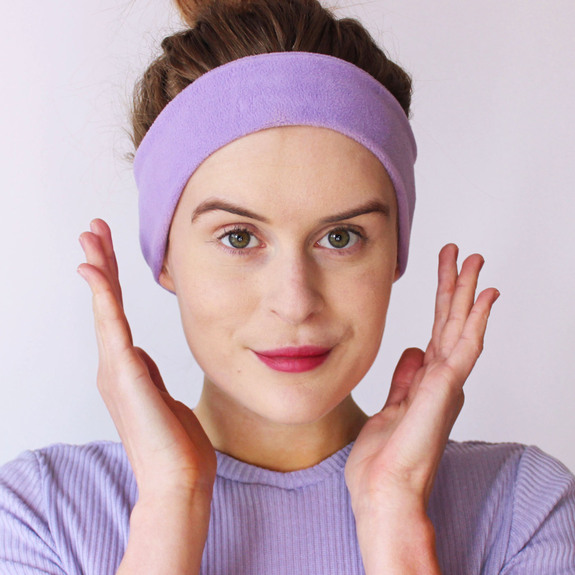
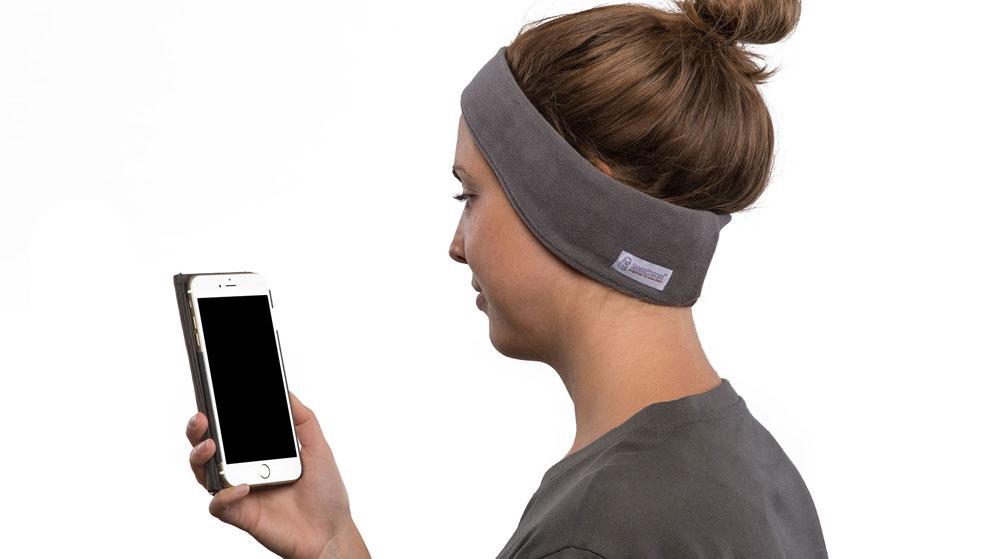
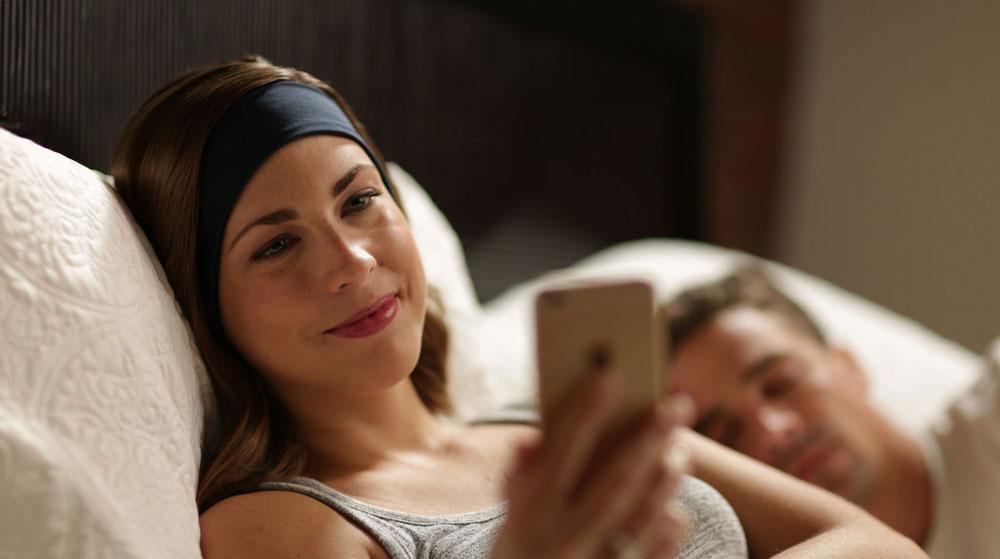
woman using our SleepPhones® sleep headphones to listen to restful sounds as she sleeps
I remember speaking with one woman who was frustrated and also at her wit's end. She's been married 25 years but her husband "saws logs" all night and she simply could not get back to sleep after being woken up. Having exhausted all other options, she decided to try SleepPhones® as a last resort, despite her skepticism about the headband. Two weeks after I spoke with her she called back, practically giddy! She said that by listening to podcasts she had the better sleep in those two weeks than in the past decade. She also said she could barely feel the headband, proving that comfort is crucial.
Will they work for everyone? Maybe not. But I have talked to enough people to know they can be a real lifesaver. They're worth a try, right? Especially if you've already tried everything else.
Why standard solutions usually fall short
If you've ever tried to sleep with earbuds in, you already know the answer. Most folks who struggle with sleep end up in one of two camps: earbuds or bulky over-the-ear headphones. Unfortunately, neither is actually designed for the way humans move when they're asleep.
The earbud "pebble" effect
Wearing earbuds to bed starts as a minor annoyance, but once you turn on your side that little plastic tip starts burrowing. It feels like a small, hard pebble is lodged in your ear canal. It's just enough pressure that it can disrupt your breathing or even jolt you awake right as you start drifting off. For a light sleeper, game over. Their sleep cycle is broken.
The over-ear "helmet" problem
Next are traditional over-the-ear-headphones. They might be great for a loud coffee shop or a subway, but they're essentially a heavy helmet. They trap heat, feel cumbersome, and shift the moment you roll on your side. It's hard to achieve deep, restorative sleep when you're constantly readjusting your gear.
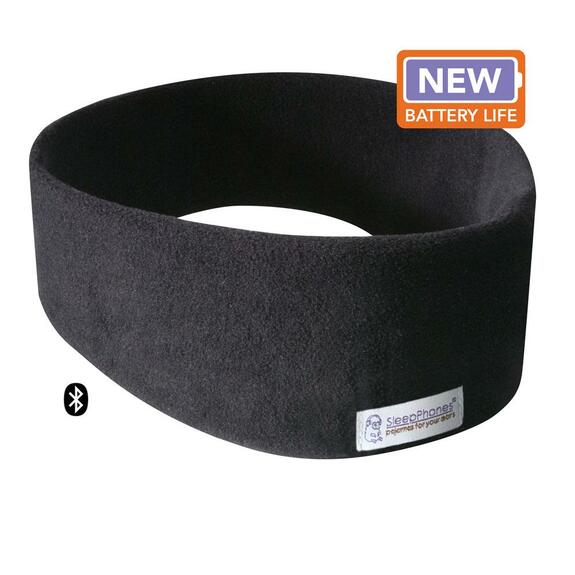
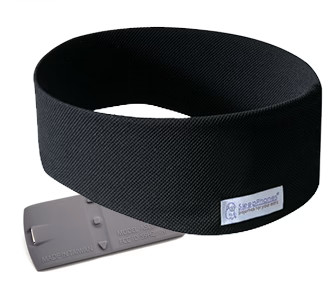
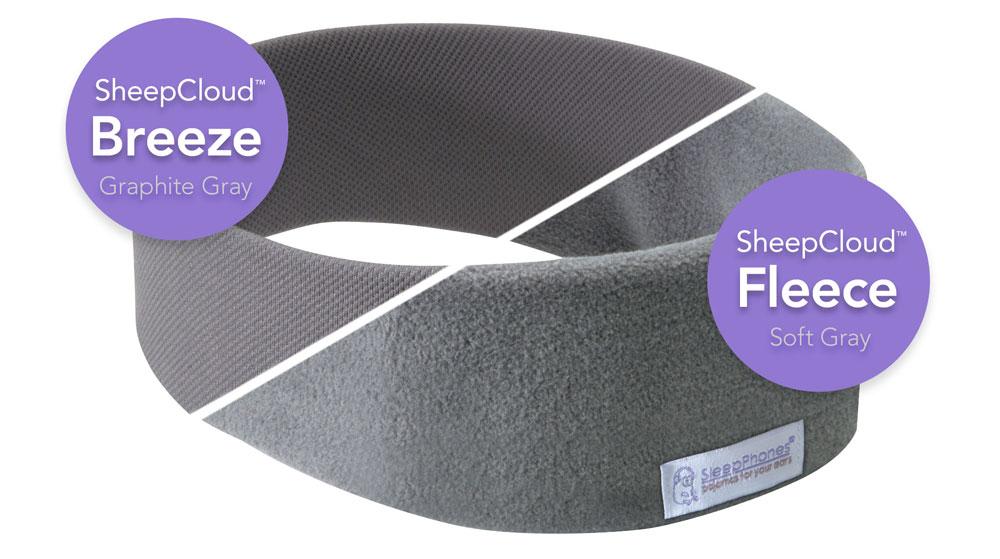
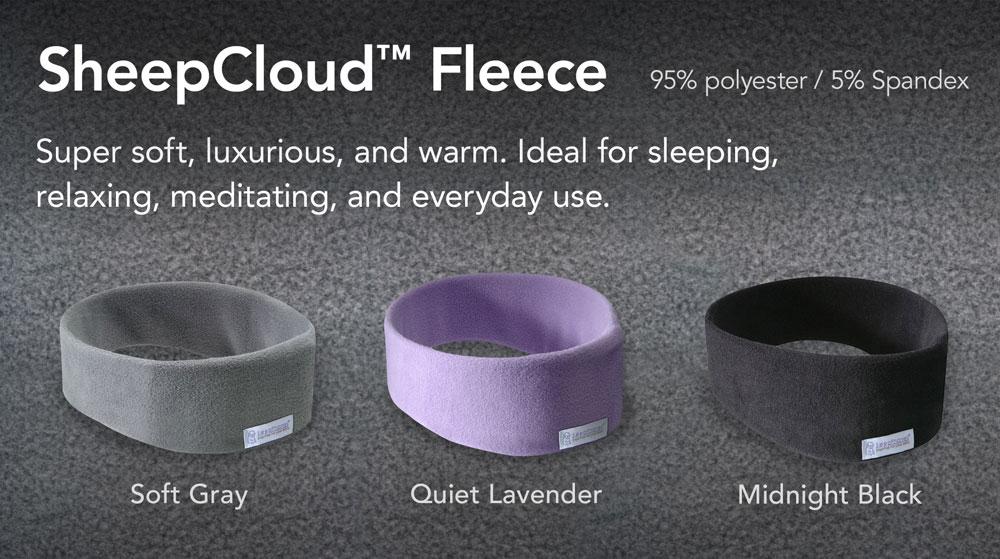
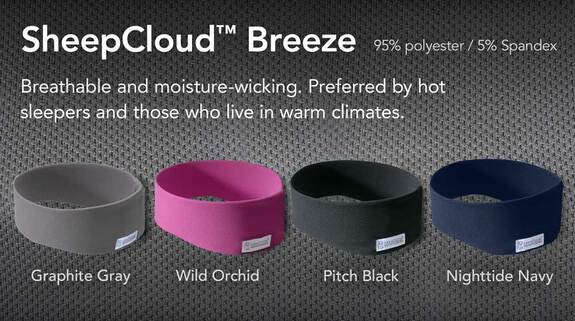
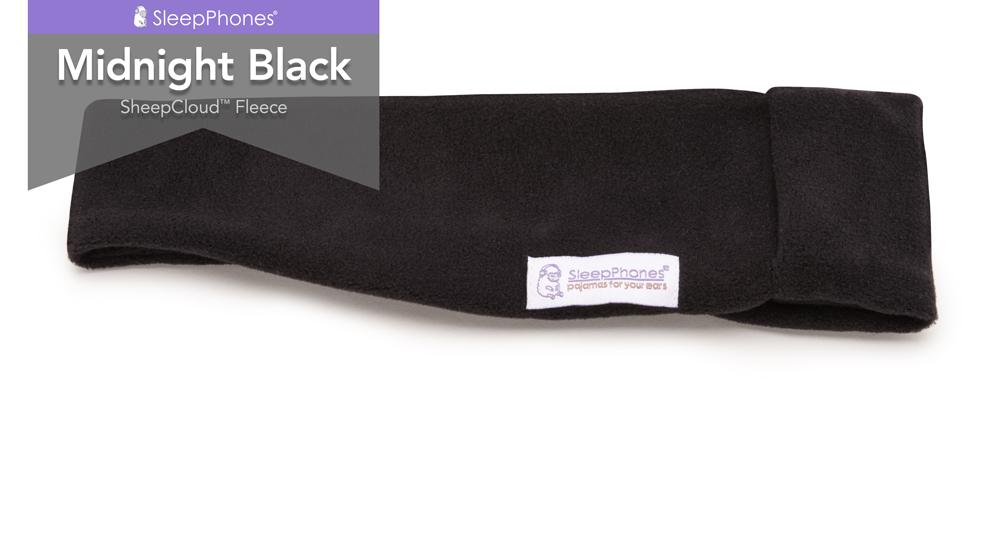
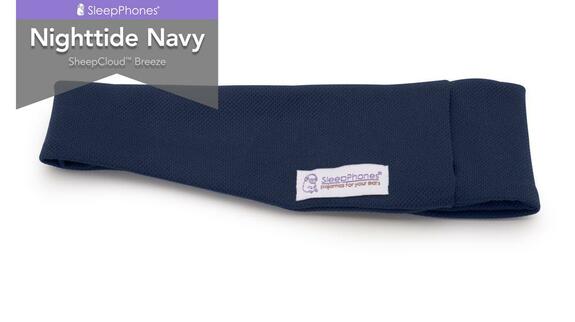
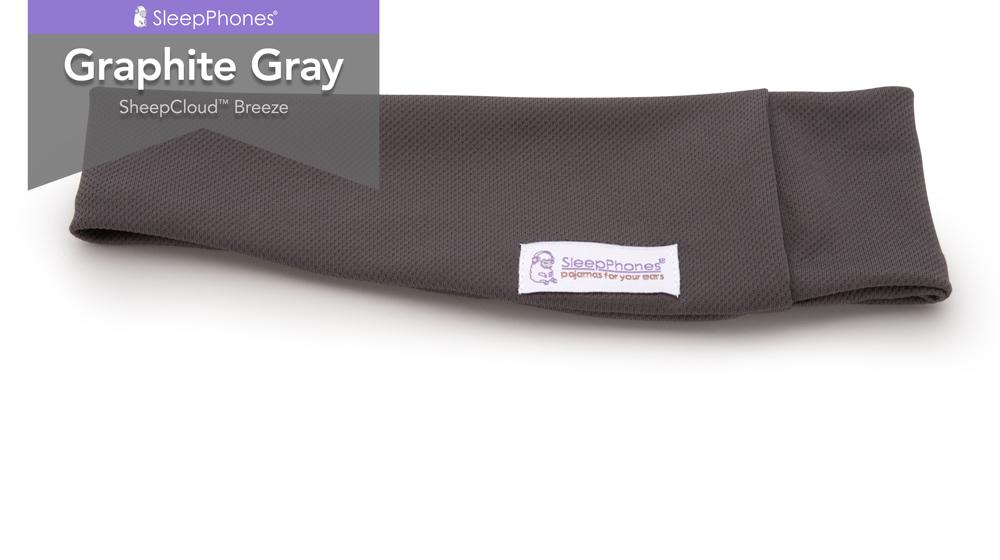
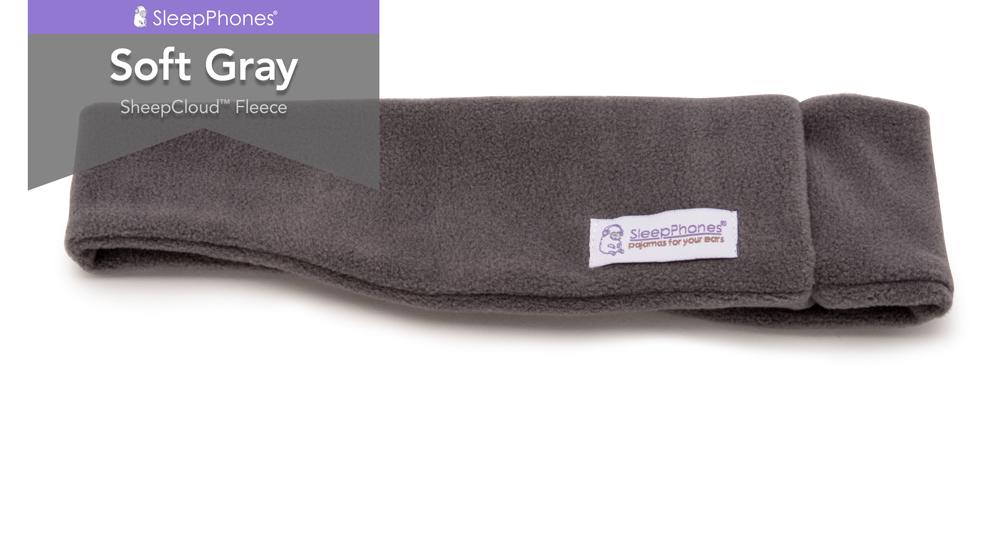
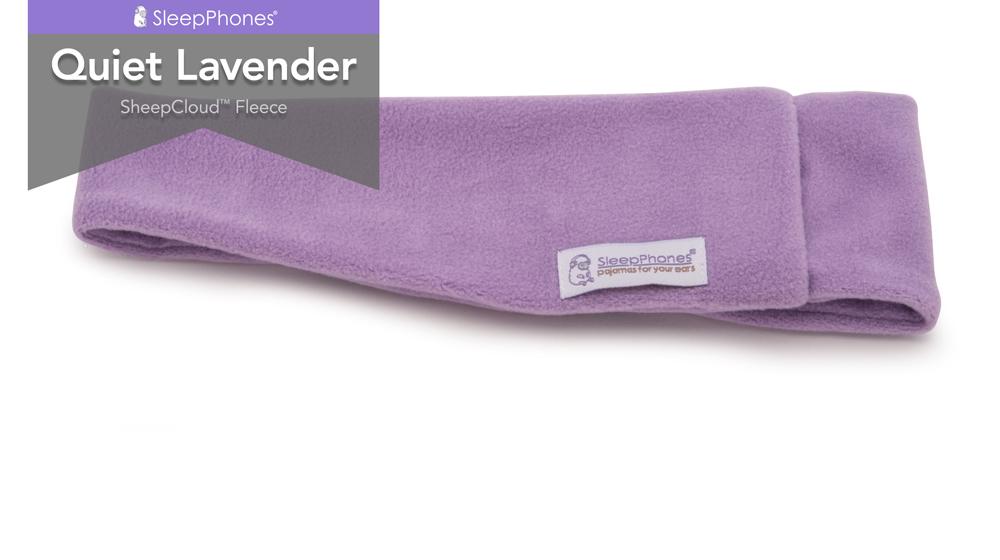
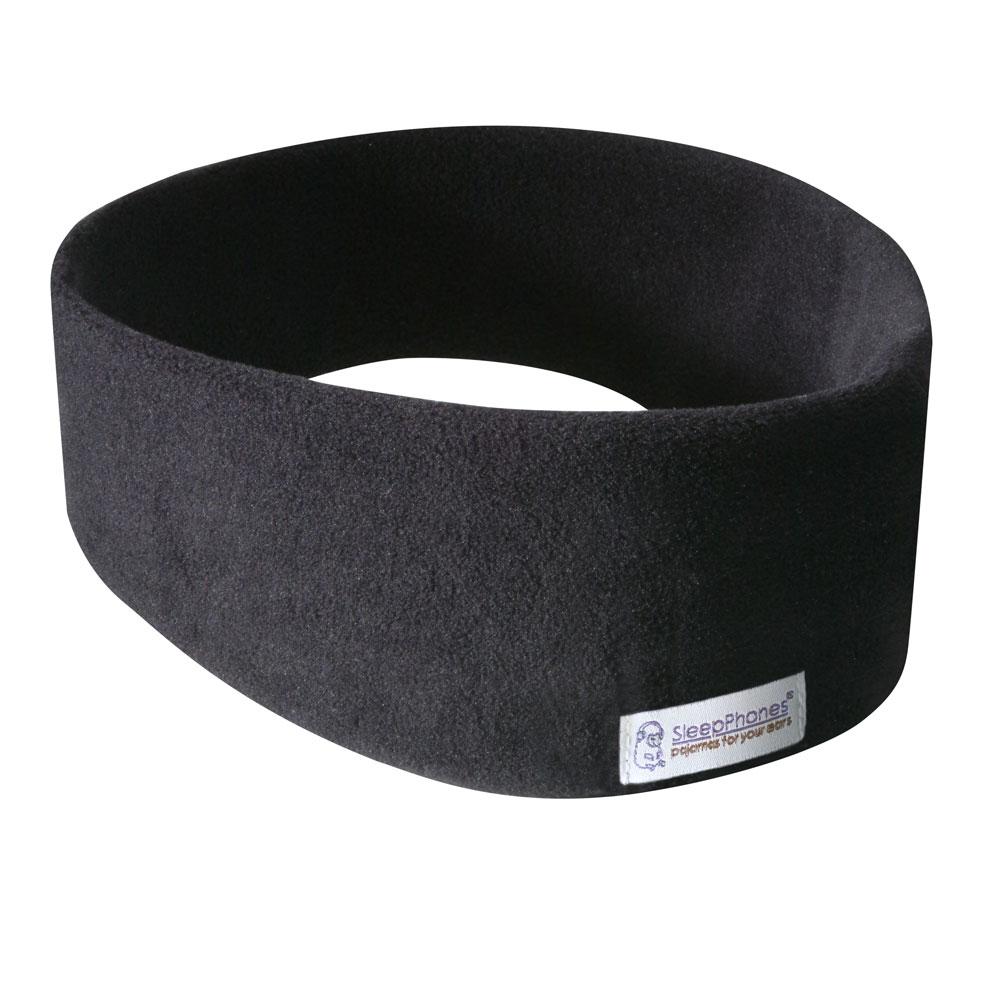
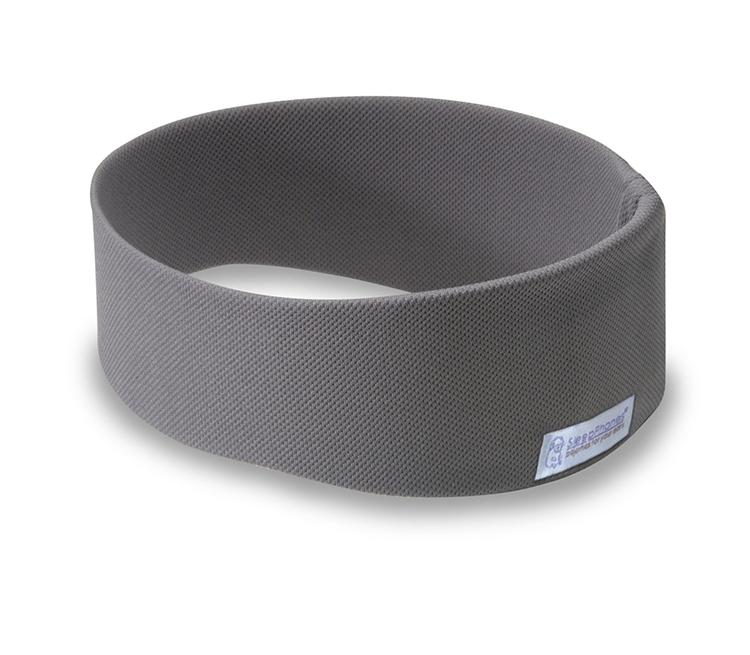
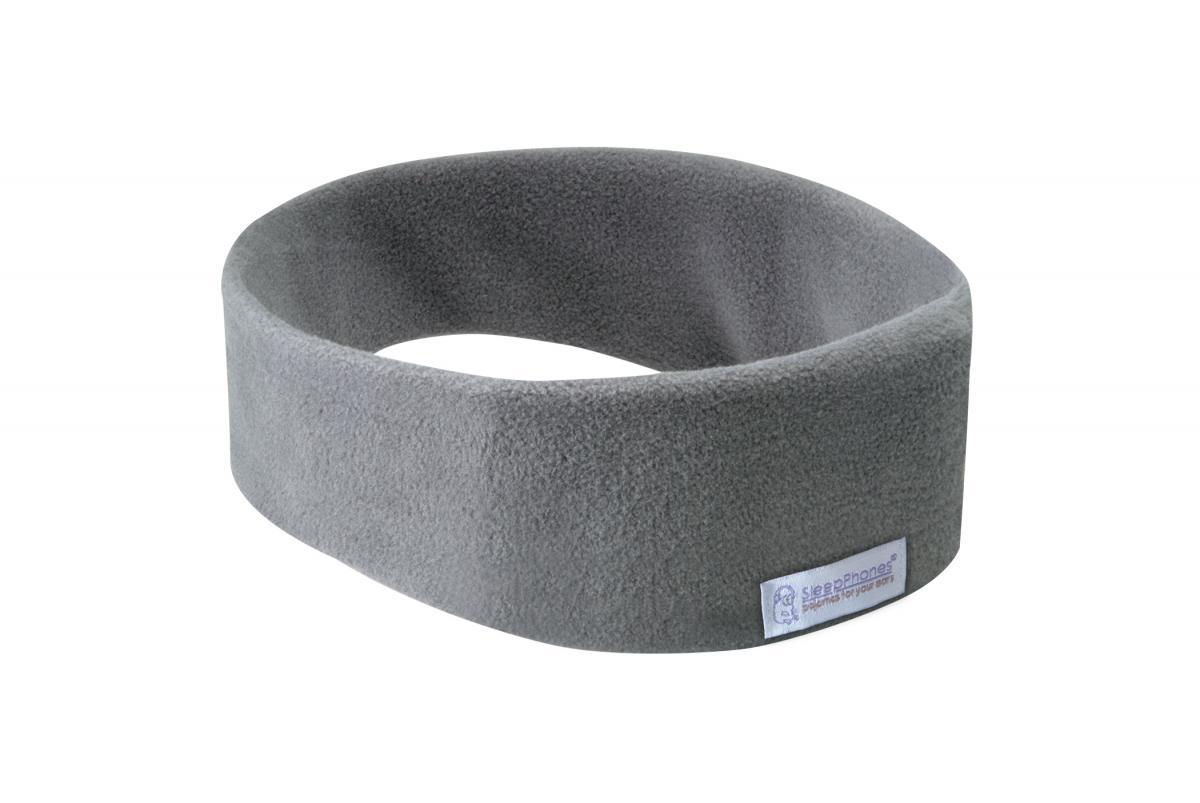
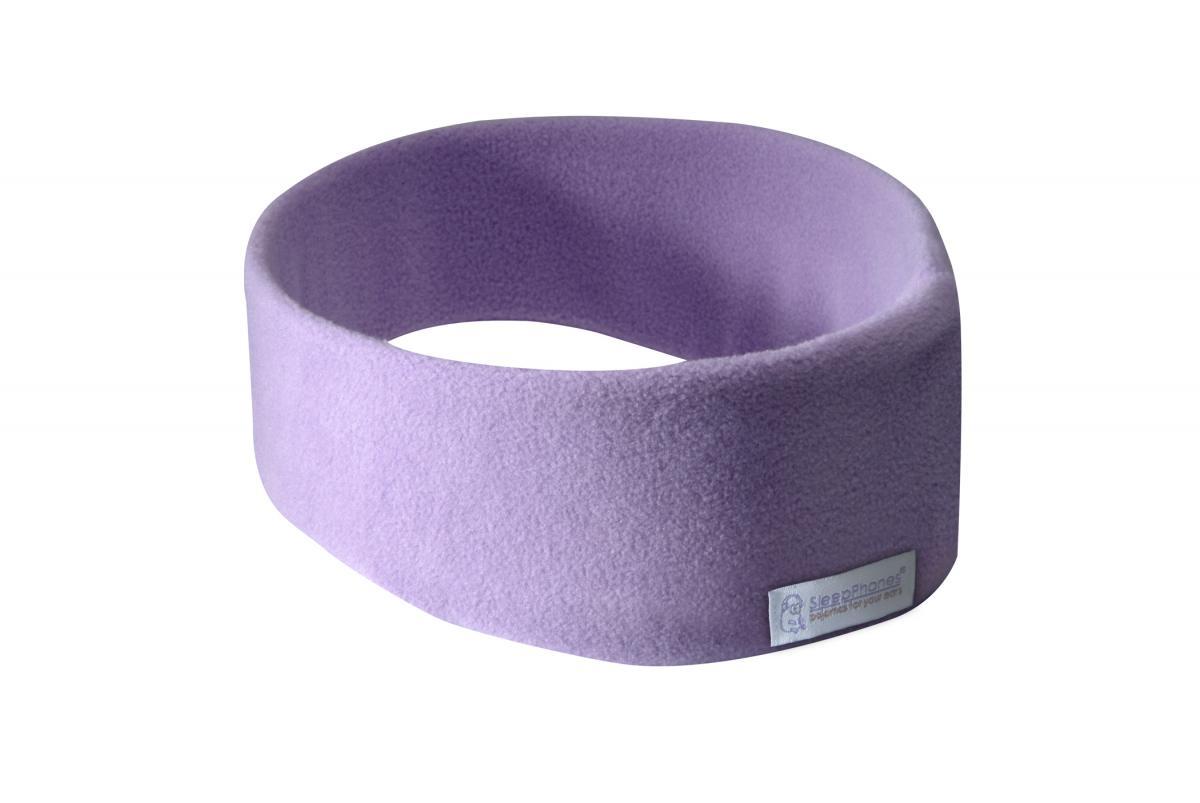
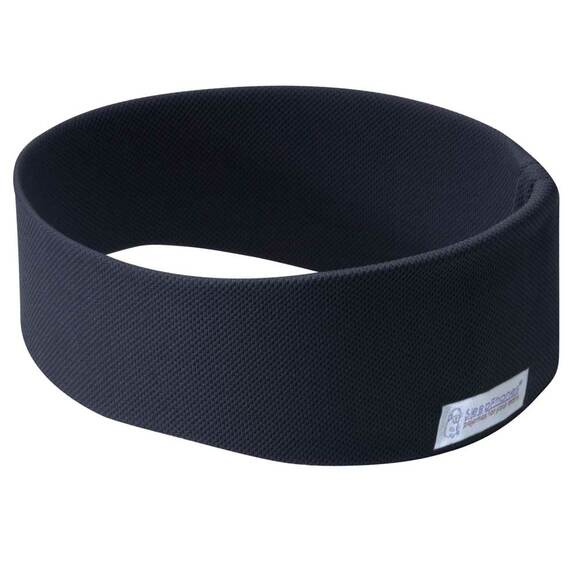
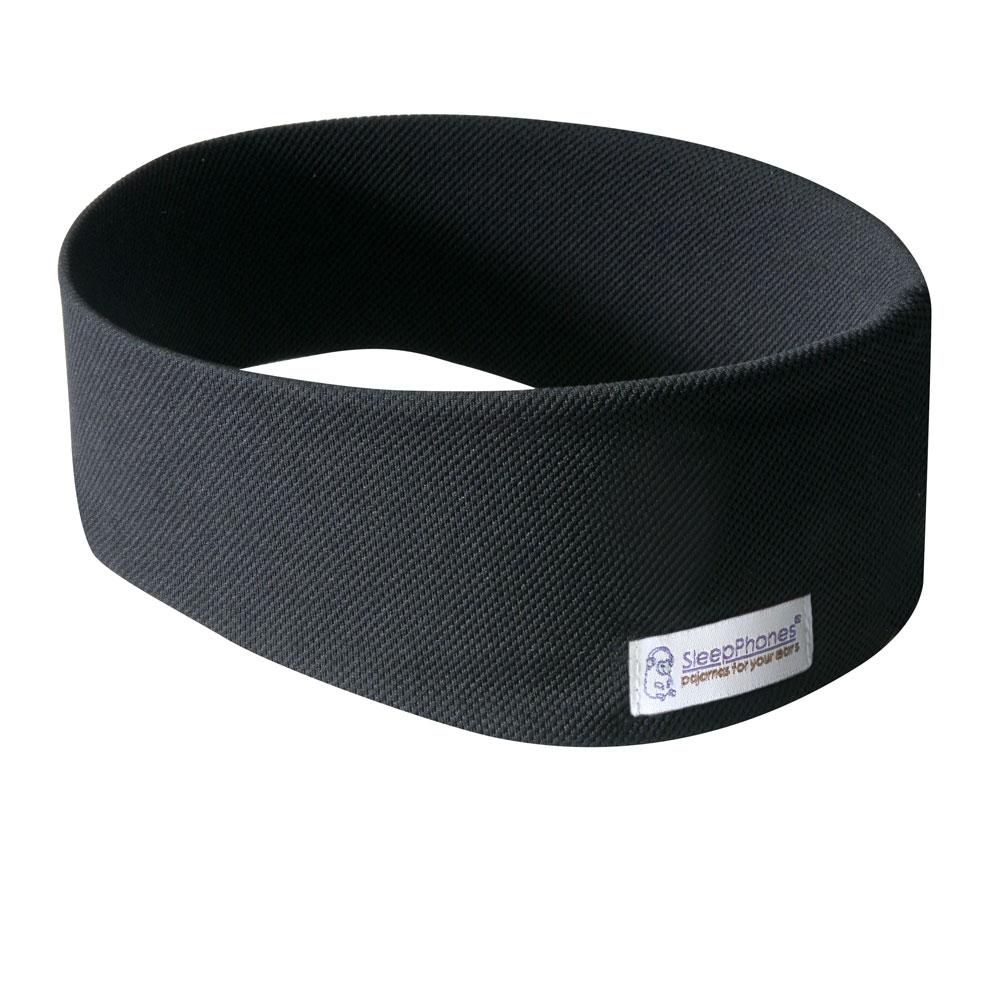
To solve sleep audio issues, we realized we had to change the headphones' architecture. Instead of forcing your ears to accommodate a device, we designed the device around your comfort, and ears. We use ultra-thin, high fidelity speakers that are padded and then nestled inside a soft, stretchy headband. Because the speakers lie over your ears, no hard plastic presses against them. When you roll onto your side, you don't feel the gear. Instead, you feel a soft, even layer of comfortable fabric.
The mechanics of comfort
We know it's easy to dismiss a headband as "just another soft thing for your head," but there's a real technical reason why it works when almost everything else fails. It mostly boils down to how pressure is distributed.
Pressure vs. Point Pain
This is perhaps the most significant difference. When you wear earbuds, the force of your head against the pillow is concentrated on a tiny, hard point in your ear canal. In physics, pressure is force divided by area. Because earbuds have a small surface area, even a bit of pressure from your pillow creates a concentrated spike of discomfort.
With SleepPhones® headphones, we've fundamentally altered that equation. By using a wide, stretchy headband, we have distributed the pressure across the entire circumference of your head. This means that when you roll onto your side, the force is spread over a much, much larger surface area. As many customers have told me, that's the difference between feeling your gear and feeling nothing at all.
Engineering the "invisible" speaker
The hardest part of our engineering wasn't the audio quality, but the profile of the speakers. Most headphone speakers are designed to move air, thus creating high-volume sound. This requires a certain amount of depth and mass, but that depth is the arch-enemy of side-sleeping.
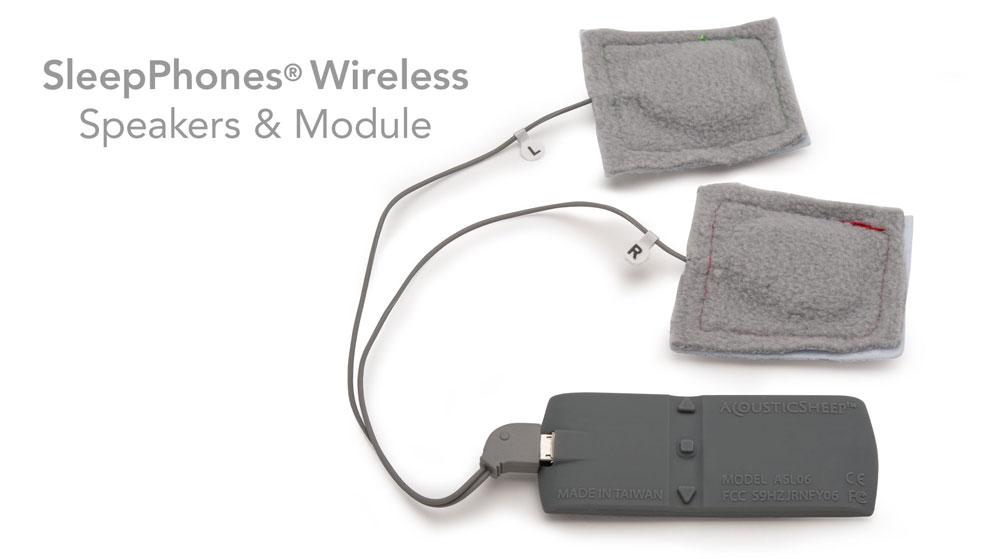
We had to design and engineer ultra-thin, high-fidelity speaker drivers strong enough to mask external noises but thin enough to remain recessed within the headband. If the speakers were even a tad too thick, they would create a bump in the headband that disrupted your ability to settle into your pillow. We believe we managed to find the sweet spot as our speakers are thin enough to be invisible to your tactile senses while still being powerful enough to deliver the full spectrum of calming frequencies that your brain needs to turn off.
Masking, not just isolation
A common misconception is that you need total isolation, such as heavy-duty ear plugs, to block out noise. Total isolation, however, can actually be counterproductive by making the world feel too quiet. This in turn makes any sudden, sharp noises like a car alarm sound even more jarring.
SleepPhones® headphones are designed for noise masking. By padding the speakers and placing them directly over your ears we provide a consistent, enveloping soundscape. They create a layer of acoustic cushioning that helps to smooth out the environment. This effectively raises the noise floor so that sudden sounds don't have enough "contrast" to jolt you awake.
Real stories from the front lines
Because I speak with folks daily, I hear all sorts of stories. Most people come to SleepPhones® after experiencing specific, recurring failures with either earbuds or standard headphones.
I once spoke with a woman who had used silicone-tipped earbuds for years to block out her partner's snoring. The result was a nightly ritual of discomfort because the earbuds would dig into her ear canals every time she rolled over. They caused such a sharp, localized pain that she would be jolted out of her REM sleep. She switched to SleepPhones® headphones specifically to escape that "point pressure." She called two weeks after her purchase to say that was the best sleep she had in the past decade.
Then there are the restless sleepers. I spoke with one man who used expensive noise-canceling earbuds. Because he tossed and turned in his sleep, he would wake up in the middle of the night to find one earbud had popped out into his sheets. That sudden, unexpected silence left him hyper-aware of any little noise in his room, making it impossible to drift back to sleep. He needed something "physically tethered" to his head that wouldn't fall out or slip off.
Finally, there are the "startle" cases such as highly sensitive sleepers who live in busy cities. I spoke with one customer who relied on heavy, over-the-ear headphones but they were so bulky she felt "trapped" by them. She was also worried about them shifting during her sleep. She needed a consistent blanket of sound, not total silence though. She found that using SleepPhones® to listen to a steady, calming white noise track perfectly masked the sudden spikes of city life.
Find more answers on our "Frequently Asked Questions" page.