
SleepPhones® Blog Page 11
SleepPhones® Featured by Gabe Slate of KRON4 - December 2013 (VIDEO)
SleepPhones® Featured by Gabe Slate of KRON4 in his Holiday Gift Guide - December 2013. The video showcases the benefits of SleepPhones® to produce a better night's sleep for user. Check out the...
SleepPhones® Featured in Beauty Store Business Magazine - December 2013
SleepPhones® Featured in Beauty Store Business Magazine - December 2013. They listed SleepPhones® as one of the Best Sellers 2013. Click the image below for a larger version.
SleepPhones Featured in Beauty Store Business Online Magazine - November 2013
SleepPhones® Featured in Beauty Store Business Online Magazine - November 2013. The article added SleepPhones® to their list of Best Sellers 2013. Click the image below for a larger version.
SleepPhones® Featured on KUTV Salt Lake City (VIDEO) - November 2013
SleepPhones® Featured on KUTV Salt Lake City - November 2013. SleepPhones® were tested and confirmed to be an excellent way to get a better night's sleep. Click the image below to watch the video.
Holiday Shipping Schedule - 2013
Please see the schedule below for our 2013 holiday shipping deadlines! HAPPY HOLIDAYS!!!
And the CES Design & Engineering Innovations winner is.... RunPhones! Twice!
We did it again! AcousticSheep has just won two CES Design...
SleepPhones® Featured in Yoga Magazine (UK)
SleepPhones® was given a full-page feature spread in Yoga Magazine. The product was billed as a "What's hot for you!" item in the November 2013 issue. (Click on image for inside spread)
SleepPhones Featured on the Yahoo Travel Blog - October 2013
SleepPhones® Featured on the Yahoo Travel Blog - October 2013. The article recommends SleepPhones® as on elf their Top 10 Travel Gifts. The highlight it's dual function of blocking out noise, but...
10 Things You Should Do To Make Your Bedroom A Sleep Haven [Infographic]
According to the Centers for Disease Control, An estimated 50-70 million US adults have sleep or wakefulness disorder. Although some of these issues may be part of a bigger medical problem, there are...
Today Show: 5 Gadget Must-Haves
Today Show Appearance: Mario's Must-Haves transcript: Now these, this is called SleepPhones®. I want you to put this on. basically, strap this over your head here -- I'll get this one for carson....
Ozarks Live
College Student Must-Haves Ozarks Live TV SleepPhones Appearance Transcript: If your student actually decides to try to get to sleep, they might have to deal with roommate sounds, other people not...
Good Day Philadelphia
Hassle-Free Gadgets for mom! Good Day Philadelphia Appearance Transcript: SleepPhones® are product that help make sleep easier for moms. What these phones do, is you plug them in and put them over...
Dr. Wei-Shin Lai recognized - "Women Making a Difference"
Congratulations! AcousticSheep LLC and SleepPhones® founder Dr. Wei-Shin Lai has been recognized in Pennsylvania Business Central's annual issue "Women Making a Difference" (2013).
A Look at Food Allergies: Frequently Asked Questions (Part 4/4)
FAQ: Celiac Disease / Gluten sensitivity: Anywhere from 1-5% of white people may have a problem with gluten sensitivity. The symptoms of gluten sensitivity vary widely and is a very complex topic...
A Look at Food Allergies: The Newly Discovered Oral Allergy Syndrome (Part 3/4)
Oral allergy syndrome affects many people who don't even know they have it. In fact, many doctors haven't even heard of it. Until recently, it has not been widely recognized or even taught in medical...
A Look at Food Allergies: It's More Common Than You Think (Part 2/4)
The Most Common Causes and the Wide Range of Symptoms Anaphylaxis may occur in about 13% of suspected food allergies. There are moderate food allergy cases where people know what causes problem, but...
A Look at Food Allergies: This Could Save Your Life (Part 1/4)
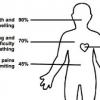
The tragic death of 13-year-old Natalie Giorgi who died on July 27, 2013 from eating a Rice Krispie treat which contained peanut products has many people asking questions about food allergies. Many...
SleepPhones® Featured in Spry Magazine - August 2013
The Spry article recommends SleepPhones® for anyone who suffers due to a snoring partner.
How to sleep after having kids
We had our first child 2 years ago. Ever since birth, he's been remarkably alert. He doesn't want to miss anything, and he'll try to stay up to take in more of life, despite being tired - kind of...
Prevention, Today Show, HuffPost Live, Headline News, National Examiner
We're so excited to have been featured on the Today Show last week (June 26, 2013)! Here's a link to the clip. Plus, SleepPhones inventor Dr. Wei-Shin Lai (me) was quoted twice in Prevention Magazine...
Sales Continue to Double
Update from the CEO June 10, 2013 We have sold more than 120,000 SleepPhones! As I work at my home office on a rainy Monday, the excitement about this upcoming holiday season is buzzing! Many of our...
Time Magazine: 5 Clever Gadgets from CES 2013
5 Clever Gadgets from CES 2013 At the electronics mecca that is CES, it’s easy to get caught up in all the big ideas–things like Ultra HD, connected cars and natural input–that aim to transform the...
BBC: Best Travel Accessories
Best travel accessories Fall asleep under any condition BBC: Best Travel Accessories Nov. 16, 2011 Fall asleep under any condition Sometimes it’s nice to drift to sleep with music. Unlike earphones...
Our CEO/Cofounder won the Pennsylvania Entrepreneur ImPAct Award last week!
On May 23, Dr. Wei-Shin Lai, MD, CEO/Founder of AcousticSheep, makers of SleepPhones, won the Entrepreneur ImPAct Award at the 2013 Pennsylvania Governor’s ImPAct Awards! The Entrepreneur ImPAct...
Recent Press - SleepPhones
The deluge of recent SleepPhones TV profiles have sent sales soaring. These are just the TV hits from April and May. We have other fantastic placements I'll profile in another blog post. When I see...
Funding for Wireless Headphones
Crowd-funding really works! We're almost 150% funded with 2 days left. We asked engaged former customers and recent newsletter subscribers to help contribute to our Indiegogo campaign so we could...
Listening to synchronized sounds during sleep improves memory
According to a new study, listening to pink noise during deep sleep synchronizes the brain waves better, prolongs deep sleep, and improves memory the next day.This is a link to the brain wave study....
Wireless on Indiegogo
We're asking for your help to fund SleepPhones® Wireless on Indiegogo! We have a few wireless made already. But in order to make them more efficiently and more quickly (the components are very...
Top seller on Amazon
We just received an award from Amazon with Excellent customer satisfaction ratings! Dear AcousticSheep, makers of SleepPhones, On behalf of Amazon, we want to congratulate you on your outstanding...
Council of 4
In business, it's often said that you need to be a part a 4 person group - people you can trust - to discuss potentially sensitive business matters and bounce ideas. Today, that finally happened for...